
Air Duct and HVAC Questions, Answered
These are the questions people ask most about home air. The answers follow the US EPA, ENERGY STAR, the CDC and NADCA, and each topic has a full page on this site.
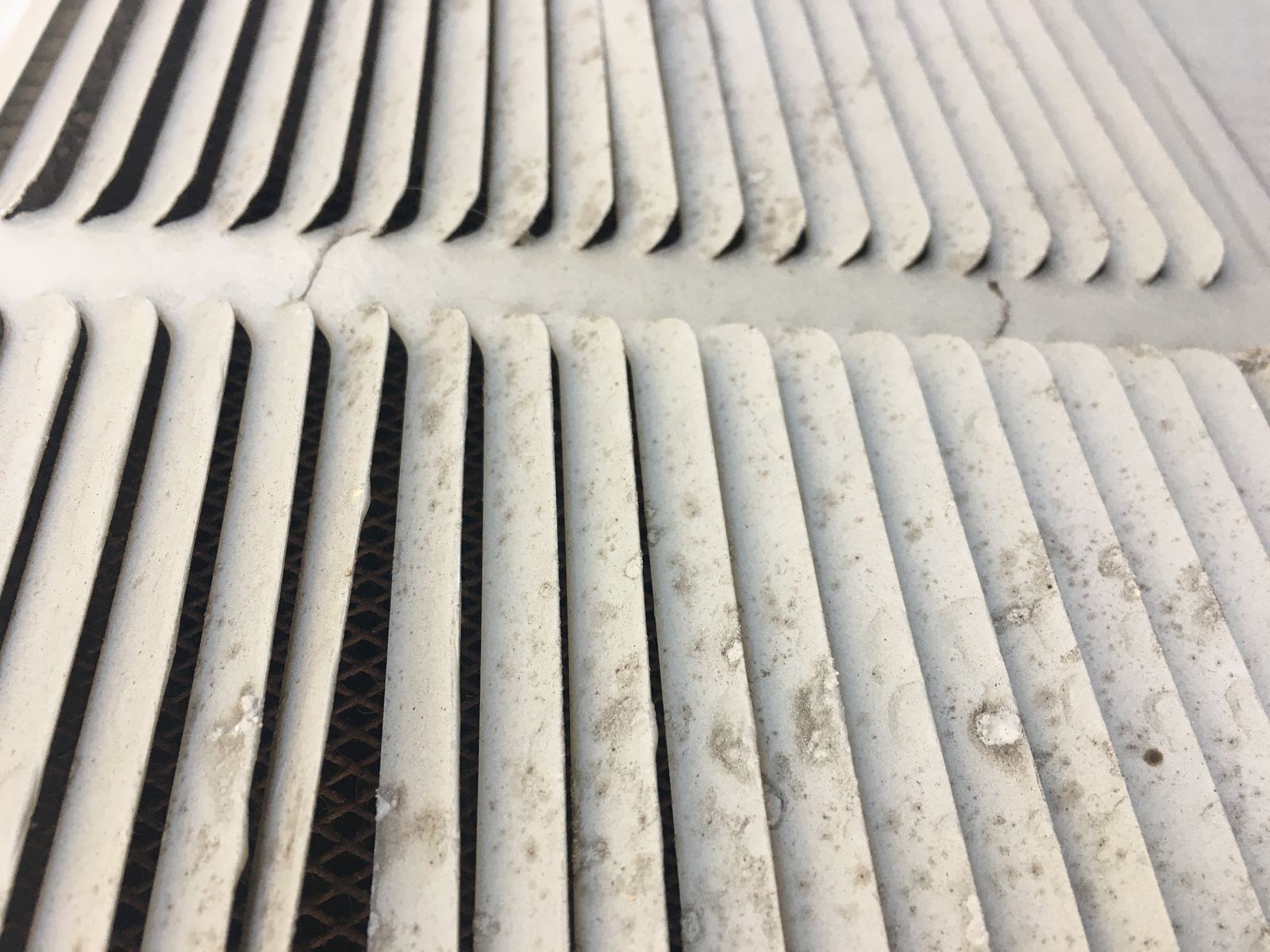
Dust on a vent: Misterneedlemouse, CC0

Clear Air Cleaning shares facts only. We do not offer services, quotes or medical advice. If anyone in your home has unexplained symptoms, talk to a doctor.
FAQ
Will cleaning my air ducts stop allergies or keep my family from getting sick?
No one can promise that. The US EPA says duct cleaning has never been shown to actually prevent health problems, and that there is no evidence a light amount of household dust in ducts poses a health risk.
When does the EPA say duct cleaning may make sense?
When there is substantial visible mold growth inside hard surface ducts or other system parts, when ducts are infested with vermin, or when ducts are clogged with excessive dust and debris or particles are actually released into the home from supply registers.
How often should I change my HVAC filter?
ENERGY STAR says check it every month, especially in heavy winter and summer use, and change it at least every three months, sooner if it looks dirty.
What MERV rating should I use?
The EPA suggests at least MERV 13, or as high a rating as your system fan and filter slot can accommodate. Ask a technician if you are unsure what your system can handle.
What humidity should I keep at home?
The EPA recommends keeping indoor relative humidity below 60 percent, ideally between 30 and 50 percent, to help prevent mold growth.
Where should carbon monoxide alarms go?
The CDC advises battery-operated or battery backup CO alarms on every level of the home and near sleeping areas, checked regularly and replaced as the maker directs.
Why does my dryer take so long to dry clothes?
One common reason is a lint-clogged vent duct. Failure to clean is the leading factor in home clothes dryer fires in US Fire Administration data, so clean the lint screen every load and keep the vent clear.
Can I use duct tape on my ducts?
ENERGY STAR says never use duct tape on ducts because it is not long-lasting. Mastic sealant or metal-backed foil tape is used instead.
Are ozone air purifiers a good idea?
The EPA warns that ozone is a lung irritant and that, at levels that do not exceed public health standards, ozone has little potential to remove indoor air contaminants. A filter-based air cleaner is the better understood choice for particles.
Who sets the standard for air duct cleaning?
NADCA, the National Air Duct Cleaners Association, publishes the ACR standard for assessment, cleaning and restoration of HVAC systems and certifies Air Systems Cleaning Specialists.
- US EPA: Should You Have the Air Ducts in Your Home Cleaned?
- ENERGY STAR: Maintenance Checklist
- ENERGY STAR: Duct Sealing
- US EPA: What is a MERV rating?
- US EPA: A Brief Guide to Mold, Moisture and Your Home
- CDC: Carbon Monoxide Poisoning Basics
- US Fire Administration: Appliance and Electrical Fire Safety
- US EPA: Ozone Generators that are Sold as Air Cleaners
- NADCA: National Air Duct Cleaners Association
Facts on this page were checked against these sources (updated Oct 9, 2026). Spot an error? Email hello@fireempireshop.com.