Keeping Wildfire Smoke Out of Your Home
Filters, sealed rooms and air cleaners. How to reduce wildfire smoke indoors: checking the AQI, running your HVAC with a better filter, portable HEPA cleaners and a clean room plan.
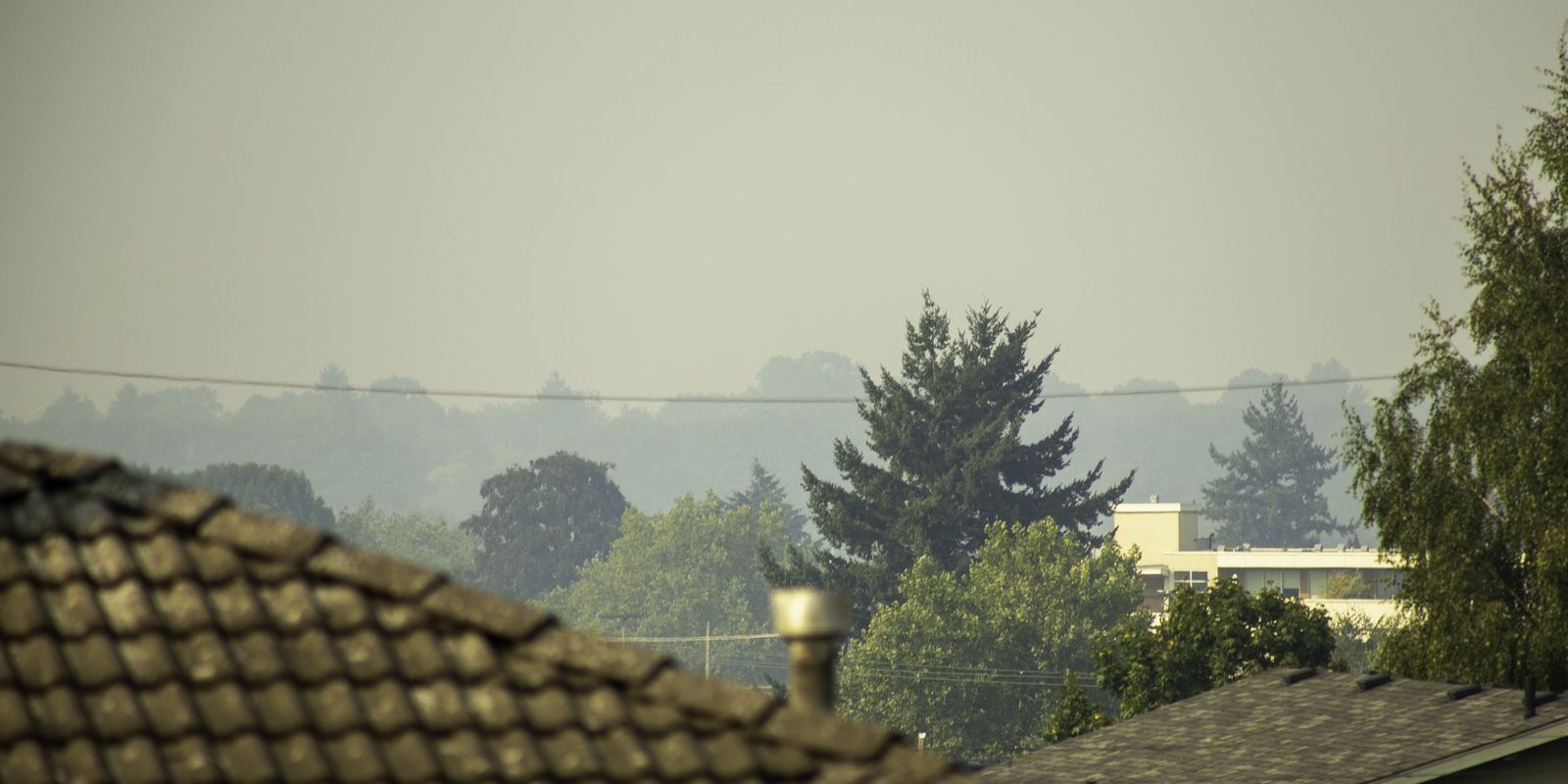
Wildfire smoke haze over Vancouver, 2021: Rod Raglin from Vancouver, CC BY-SA 2.0
Why smoke matters indoors
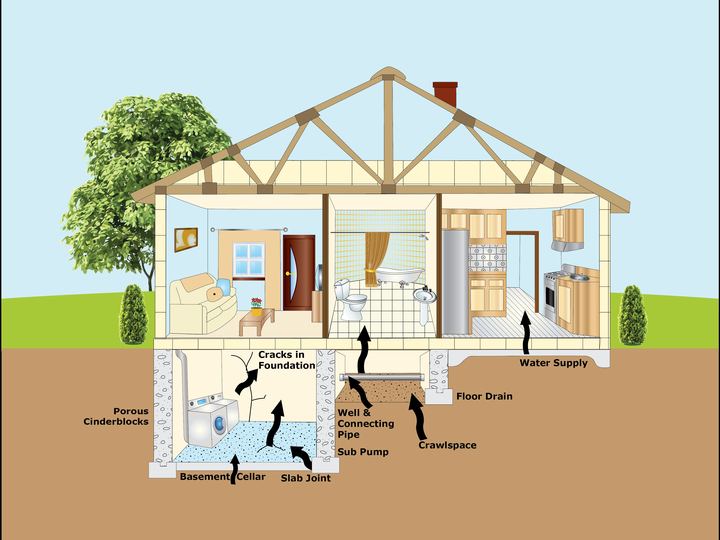
Wildfire smoke contains fine particles called PM2.5, small enough to travel deep into the lungs. Smoke can drift hundreds of kilometres, and on smoky days outdoor air can seep inside through gaps, open windows and ventilation systems. The US EPA advises people, especially children, older adults, pregnant people and anyone with heart or lung disease, to reduce exposure.
Check the numbers
Use your national or local air quality service, such as AirNow.gov in the US, to follow the Air Quality Index. Many weather apps show it too. When the AQI reaches unhealthy levels, plan to keep indoor air as clean as possible and limit outdoor activity.
Use your HVAC wisely
If you have central air, keep windows and doors closed and run the system fan with a high-efficiency filter, MERV 13 if your system can handle it; check the equipment manual or ask a technician. Use recirculate mode on air conditioners and set fresh-air intakes to closed where possible. Change filters more often during smoke events, because they load up quickly.
Portable air cleaners and clean rooms
A portable HEPA air cleaner sized for the room, using its clean air delivery rate, or CADR, can sharply lower particle levels. EPA suggests creating a clean room, often a bedroom, with closed windows and an air cleaner running. EPA researchers have also studied do-it-yourself box fan filters built with MERV 13 filters as a lower-cost temporary option; follow published safety guidance if you build one.
Things to avoid
Do not add indoor pollution on smoky days: avoid burning candles or incense, frying food, smoking and using gas stoves without ventilation. Do not use ozone generators sold as air purifiers; EPA warns they can irritate the lungs. Masks rated N95 help outdoors when fitted well; cloth masks do little against smoke particles. This page is general information; follow your local health authority's advice.
- Wildfire smoke haze over Vancouver, 2021: Rod Raglin from Vancouver, CC BY-SA 2.0
Text written by Clear Air Cleaning.