Bathroom Exhaust Fans
Sizing, run time and venting outside. A bathroom fan removes moisture that feeds mold. How to size one in CFM, how long to run it, why it must vent outdoors and what sones mean.
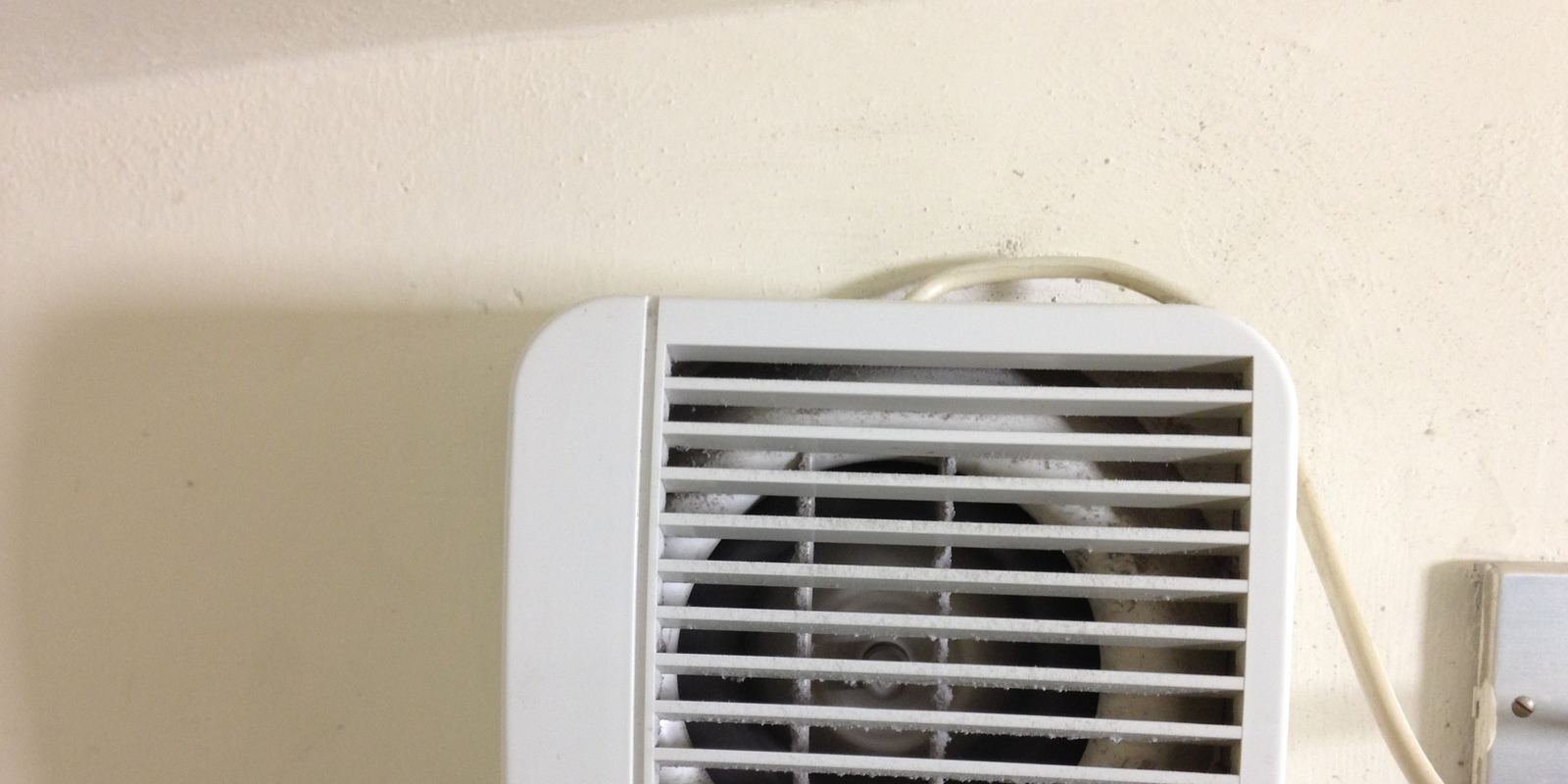
An exhaust fan: Antonio Mette, CC BY-SA 4.0
Why bathrooms need a fan
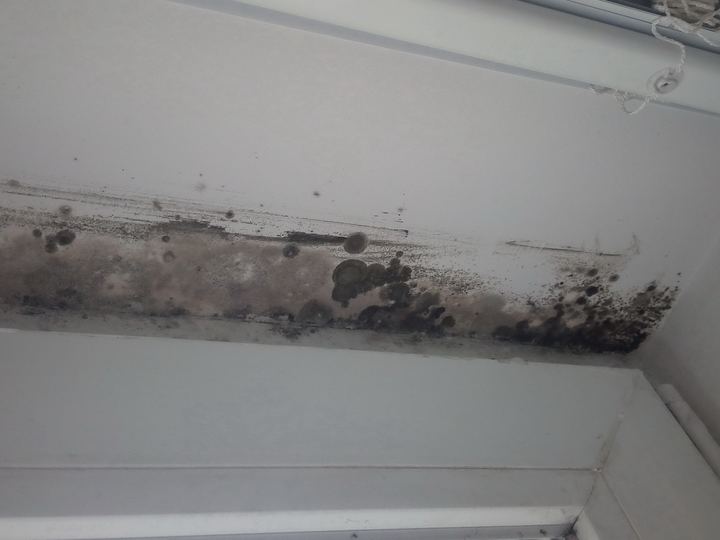
A hot shower releases a surprising amount of moisture into a small room. If it is not removed, water vapour condenses on cool surfaces, paint peels and mold can grow on ceilings, grout and inside walls. A bathroom exhaust fan pulls moist air out of the house and draws drier air in from other rooms.
Sizing in CFM
Fans are rated in cubic feet per minute, or CFM. The Home Ventilating Institute suggests about 1 CFM per square foot of floor area for bathrooms up to 100 square feet, with a minimum of 50 CFM. Larger bathrooms are sized by fixtures, for example extra airflow for a jetted tub. Long or twisting duct runs reduce real airflow, so short, straight ducts are best.
Run it long enough
Many people switch the fan off when they leave the bathroom, but moisture lingers. Running it during the shower and for about 20 minutes afterward clears most of the humidity. Timer switches and humidity-sensing fans make this automatic.
Vent it outside
A common building mistake is venting the fan into the attic or a wall cavity, where the moist air condenses and can cause rot and mold. The duct should end at an exterior wall or roof cap with a damper. Insulated ducts in cold attics prevent condensation inside the duct.
Quiet and efficient
Fan noise is measured in sones; about 1 sone is roughly the sound of a quiet refrigerator, and lower is quieter. Quiet fans get used more. ENERGY STAR certified fans use less electricity. If your fan is noisy or does not hold a tissue against the grille when running, it may need cleaning, a better duct or replacement by a qualified installer.
- An exhaust fan: Antonio Mette, CC BY-SA 4.0
Text written by Clear Air Cleaning.
← Keeping Wildfire Smoke Out of Your HomeUV Lights in HVAC Systems →