UV Lights in HVAC Systems
What they can and cannot do. UV-C lamps are sold for HVAC coils and air. How germicidal UV works, what EPA says about home systems, ozone concerns and safety tips.
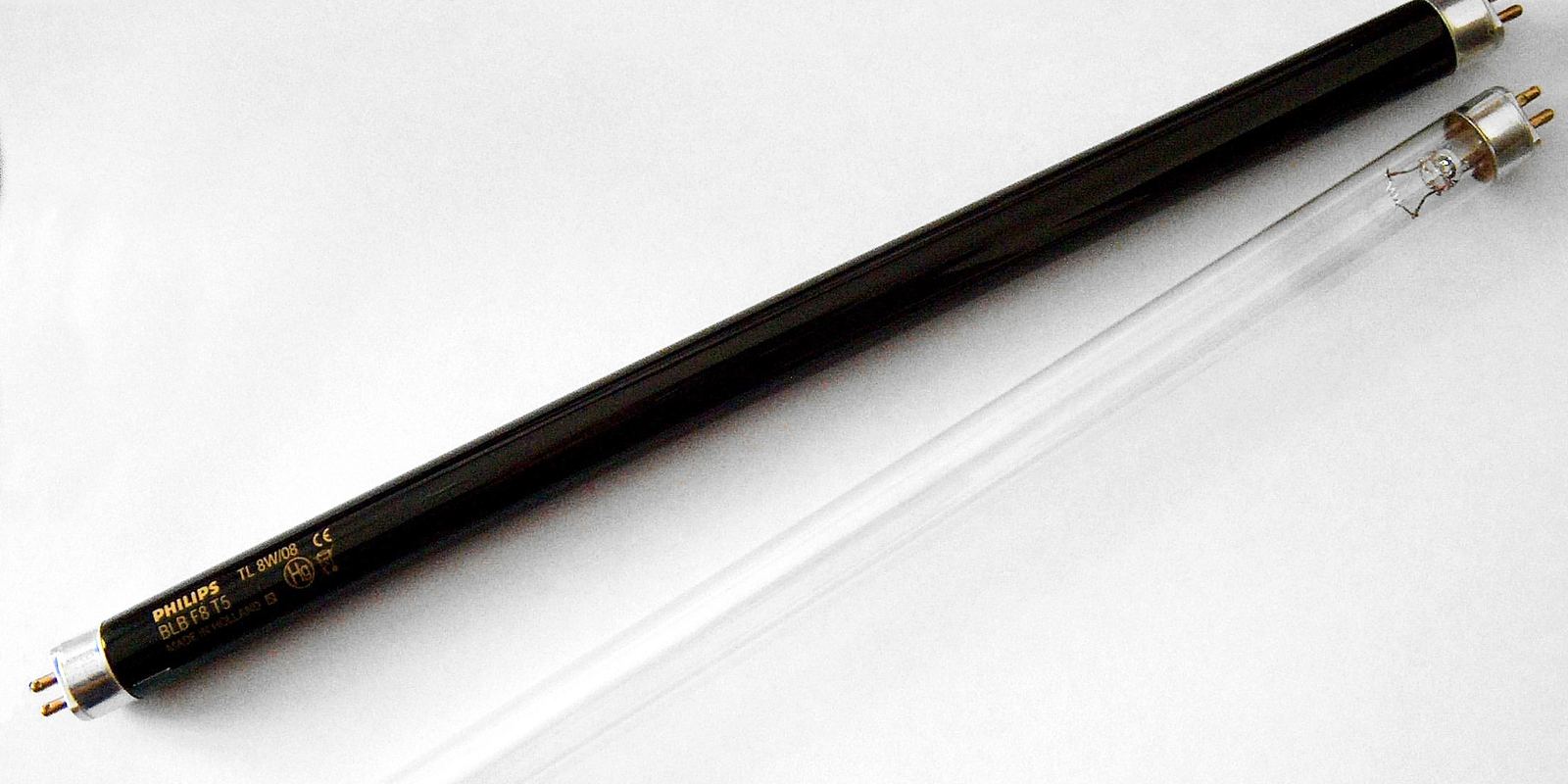
UV-C and UV-A tubes: Fabexplosive, CC BY-SA 3.0
What UV-C does
Ultraviolet light in the UV-C range can damage the genetic material of bacteria, viruses and mold, which is why it has long been used to disinfect water and surfaces. In HVAC, UV-C lamps are installed inside air handlers to shine on cooling coils and drain pans, or in ducts to treat moving air.
Coils versus moving air
Lamps aimed at a wet cooling coil can help reduce the growth of mold and slime, called biofilm, which keeps coils cleaner and airflow better. Disinfecting moving air is harder: microorganisms pass the lamp in a fraction of a second, so the light must be strong and the exposure long enough. The US EPA notes that typical residential UV systems may not be effective at killing airborne germs.
Watch out for ozone
Some UV lamps emit shorter wavelengths that create ozone, a lung irritant. Choose lamps certified as not producing ozone. EPA advises against using devices that intentionally generate ozone as air cleaners.
Safety and maintenance
UV-C can injure eyes and skin, so lamps must be installed where people cannot see them directly, with interlocks that switch them off when panels open. Lamp output fades over time, so manufacturers usually recommend replacing bulbs about once a year.
The bottom line
UV lights can be a helpful extra, especially for keeping coils clean in humid climates, but they do not replace a good filter, regular maintenance, humidity control and ventilation. Ask a qualified HVAC professional whether one suits your system.
- UV-C and UV-A tubes: Fabexplosive, CC BY-SA 3.0
Text written by Clear Air Cleaning.
← Bathroom Exhaust FansSEER2, HSPF2 and Efficiency Ratings →