Portable Air Cleaners
CADR, room size and the ozone warning. Portable air cleaners can reduce particles in one room. How to read CADR, size a unit for your room, and why EPA warns against ozone generators.
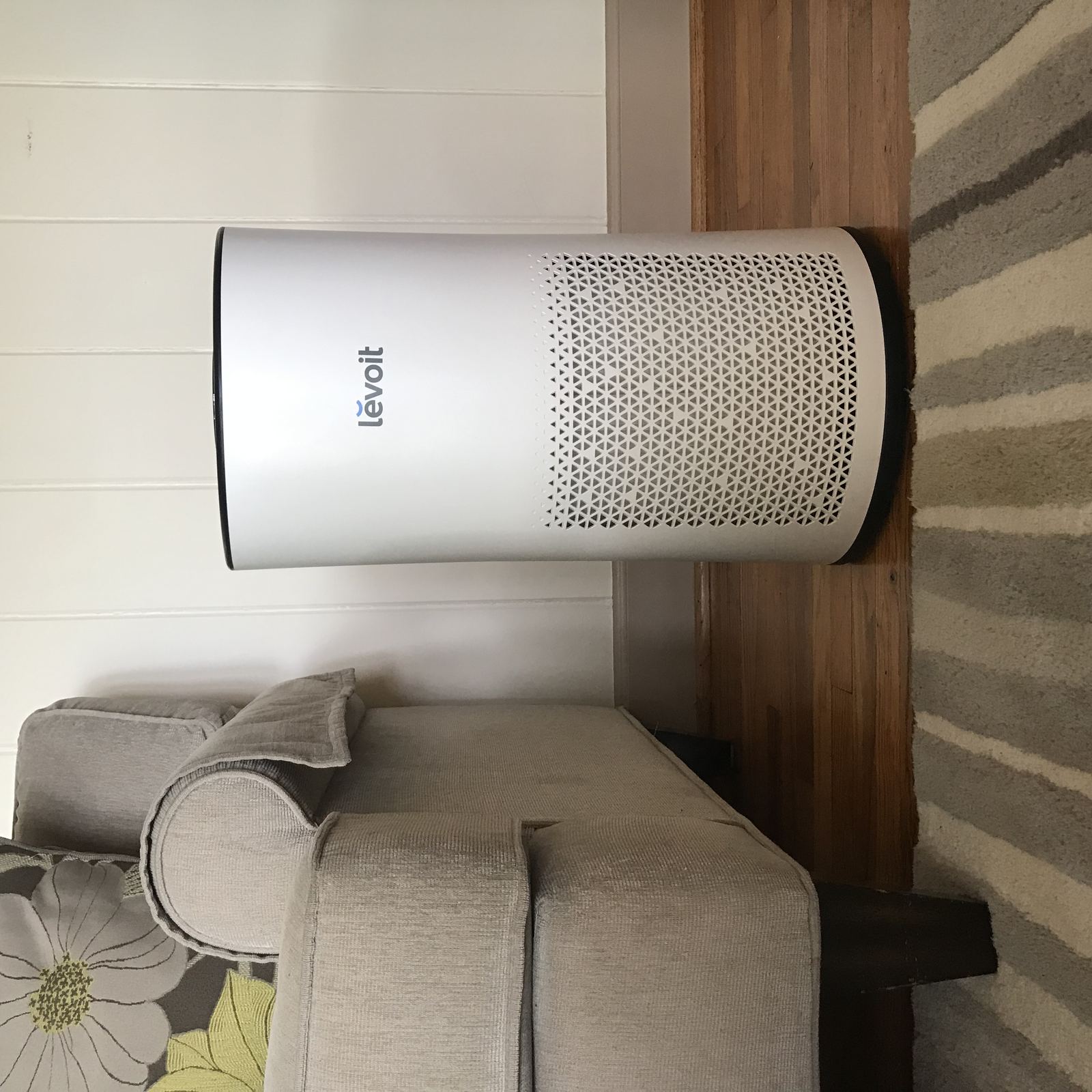
A portable air cleaner: Home Air Quality Guides, CC BY-SA 2.0
What they can do
A portable air cleaner with a good filter can lower the amount of fine particles in a single room, such as smoke, dust and pollen. The EPA lists air cleaning as one of three strategies for better indoor air, after controlling pollution sources and bringing in outdoor air through ventilation.
A room unit cleans the air of the room it is in. It cannot clean a whole house or remove particles that have already settled on surfaces.
Reading CADR
Clean Air Delivery Rate, or CADR, tells you how much filtered air a unit delivers, measured separately for tobacco smoke, dust and pollen. Higher is better. AHAM, the appliance makers' association that runs the CADR program, gives a simple rule of thumb: choose a tobacco smoke CADR of at least two thirds of the room's floor area in square feet.
So a 300 square foot bedroom would call for a smoke CADR of about 200 or more. Running the unit on a higher fan setting increases cleaning but also noise.
The ozone warning
Some devices sold as air purifiers make ozone on purpose. The EPA warns that ozone is a lung irritant and that, at concentrations that do not exceed public health standards, ozone has little potential to remove indoor air contaminants. It does not remove particles like dust or pollen.
California requires indoor air cleaning devices sold in the state to emit no more than 0.050 parts per million of ozone. Look for that certification, and skip any product that promises to sterilize air with ozone.
Placement and care
Put the unit where air can circulate freely, not boxed in behind furniture, and close to where people spend time, such as next to the bed. Keep doors and windows in their normal position for the room you are trying to clean.
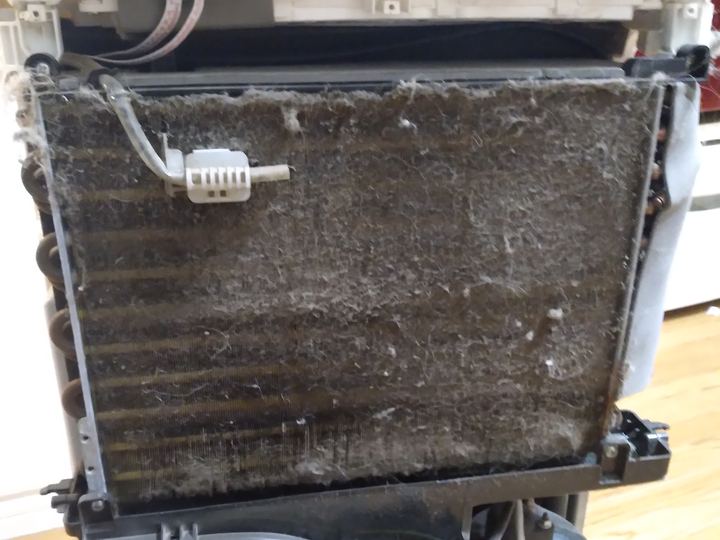
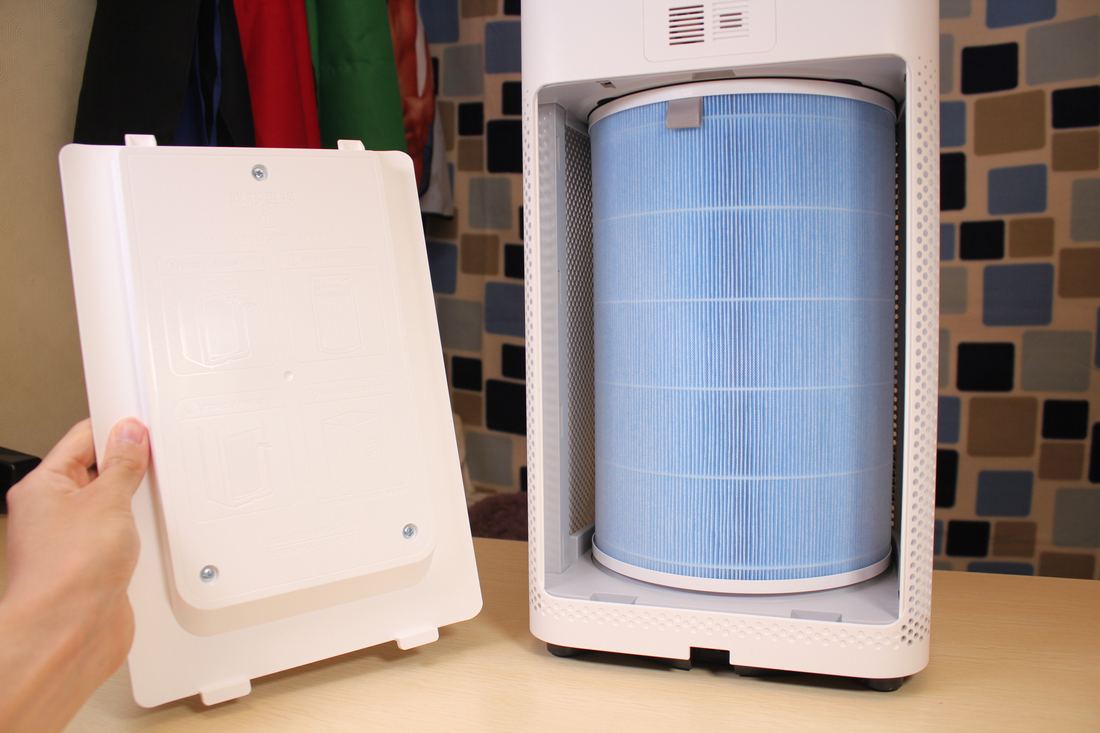
Replace filters on schedule. A clogged filter delivers far less clean air, even if the fan still sounds busy.
Other technologies on the label
Besides filters, some air cleaners use ionizers, electrostatic precipitators, ultraviolet lamps or photocatalytic oxidation. The EPA notes that some of these technologies can produce ozone or other byproducts, so it is worth checking whether a product is certified as low or zero ozone.
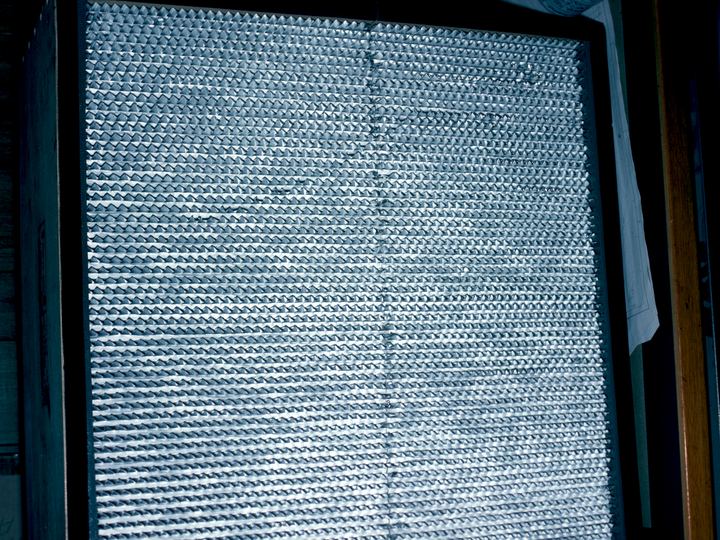
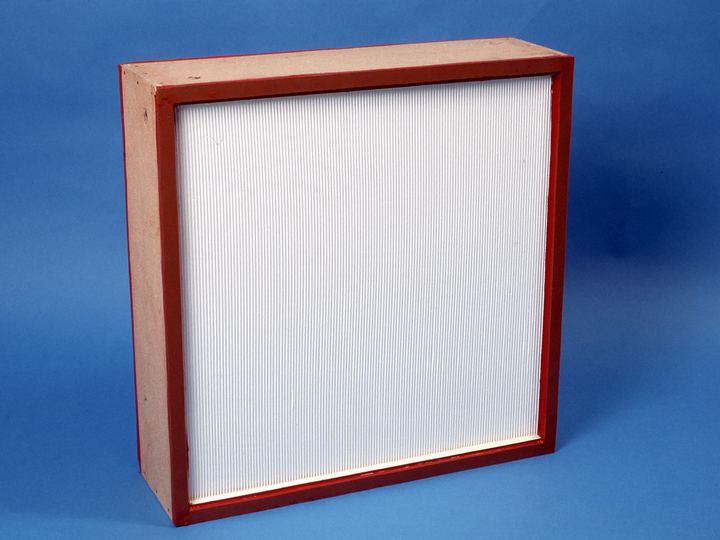
For particles, the simplest and best understood option remains a mechanical filter, such as a HEPA filter, sized correctly for the room and run on a setting you are comfortable leaving on.
- US EPA: Guide to Air Cleaners in the Home
- US EPA: Ozone Generators that are Sold as Air Cleaners
- AHAM Verifide: Air Cleaner Certification
- California Air Resources Board: Air Cleaning Devices
Facts on this page were checked against these sources.
- A portable air cleaner: Home Air Quality Guides, CC BY-SA 2.0
- The filter inside: GEEK KAZU, CC BY 2.0
Text written by Clear Air Cleaning.