When to Change Your Air Filter
Check monthly, change at least every three months. ENERGY STAR says check your HVAC filter every month and change it at least every three months. Signs a filter is full and how to install one the right way.
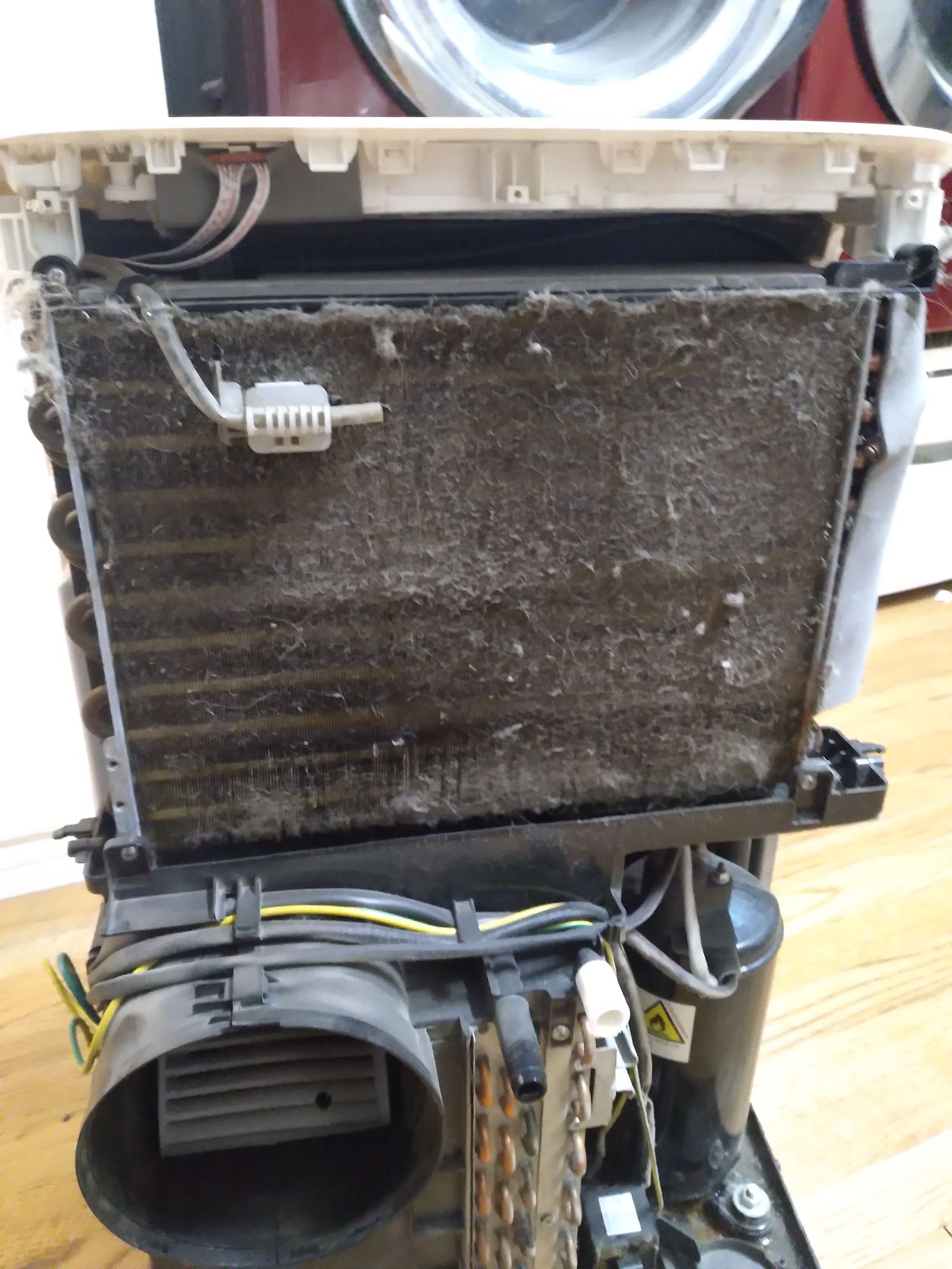
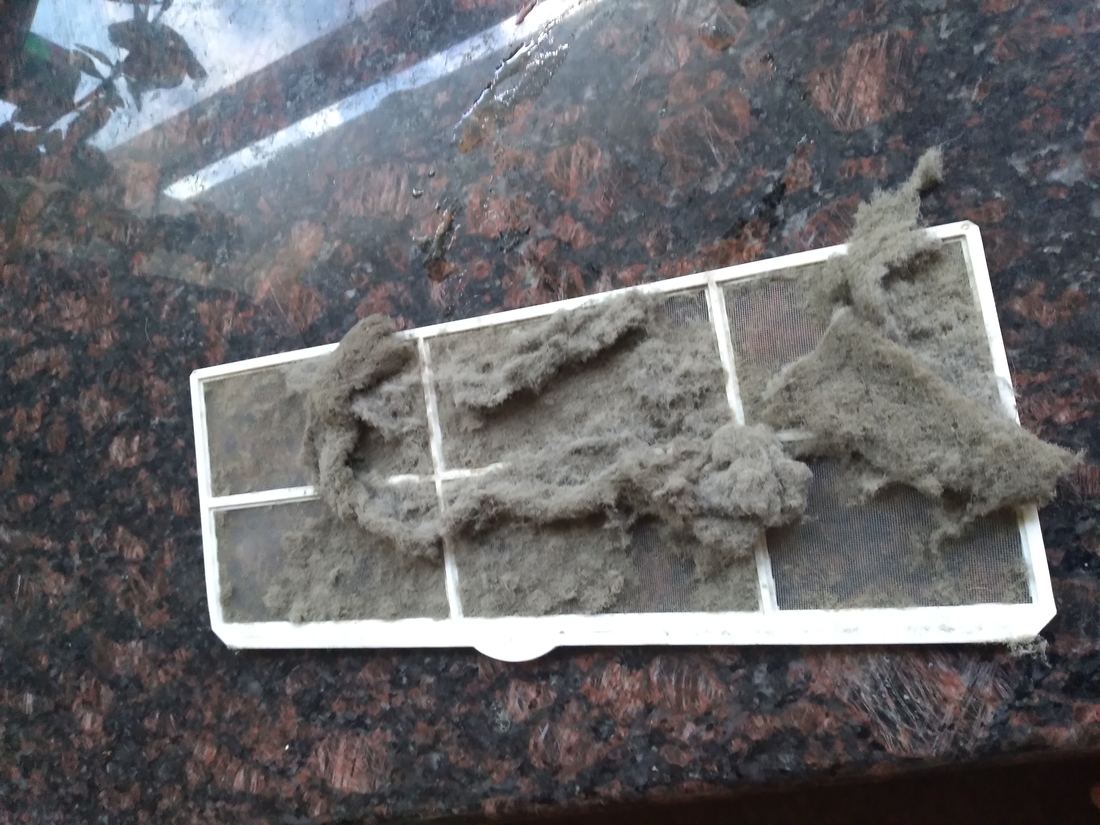
A filter that is overdue: Gerardolagunes, CC BY-SA 4.0
The simple rule
ENERGY STAR recommends checking your heating and cooling filter every month, especially during heavy winter and summer use, and changing it at least every three months. If it looks grey and you cannot see light through the pleats, it is time.
Homes with pets, smokers, ongoing renovation dust or people sensitive to dust may need more frequent changes. Thick four or five inch filters often last longer, so follow the label.
Why it matters
A clogged filter makes the blower work harder to move the same air. ENERGY STAR notes that a dirty filter slows airflow, makes the system work harder and wastes energy. Over time, low airflow can also contribute to overheating in furnaces and frozen coils in air conditioners.
A clean filter also protects the indoor coil and blower from a coating of dust, which keeps the equipment running closer to its rated efficiency.
Installing it right
Turn the system off first. Note the size printed on the old filter's frame, and slide the new one in with the airflow arrow pointing toward the blower and away from the return duct. A filter installed backward or one that is the wrong size lets air sneak around the edges.
Write the date on the frame with a marker. It makes the next check easy.
Where filters hide
Filters usually sit in a slot next to the furnace or air handler, behind a large return grille in a wall or ceiling, or in both places. Some homes have more than one return grille with a filter behind each. Ductless heads and window units have their own washable screens.
If you are not sure where your filter is, the equipment manual or an HVAC technician can show you once, and after that it is a two minute job.
Washable versus disposable
Some homes use washable, reusable filters. They save buying replacements, but they usually have low MERV ratings and must be completely dry before going back in, or they can grow mold. Disposable pleated filters are the most common choice for central systems.
Whatever the type, buy the exact size printed on the old frame. Nominal sizes like 16 by 25 by 1 are rounded, so the actual dimensions are slightly smaller, which is normal. Keep a spare on hand so a change never waits for a store trip.
Facts on this page were checked against these sources.
- A filter that is overdue: Gerardolagunes, CC BY-SA 4.0
- Dust trapped on a filter: Gerardolagunes, CC BY-SA 4.0
Text written by Clear Air Cleaning.