SEER2, HSPF2 and Efficiency Ratings
Reading the yellow label. What SEER2, EER2 and HSPF2 mean, the US minimum efficiency standards since 2023, ENERGY STAR and the new lower-GWP refrigerants.
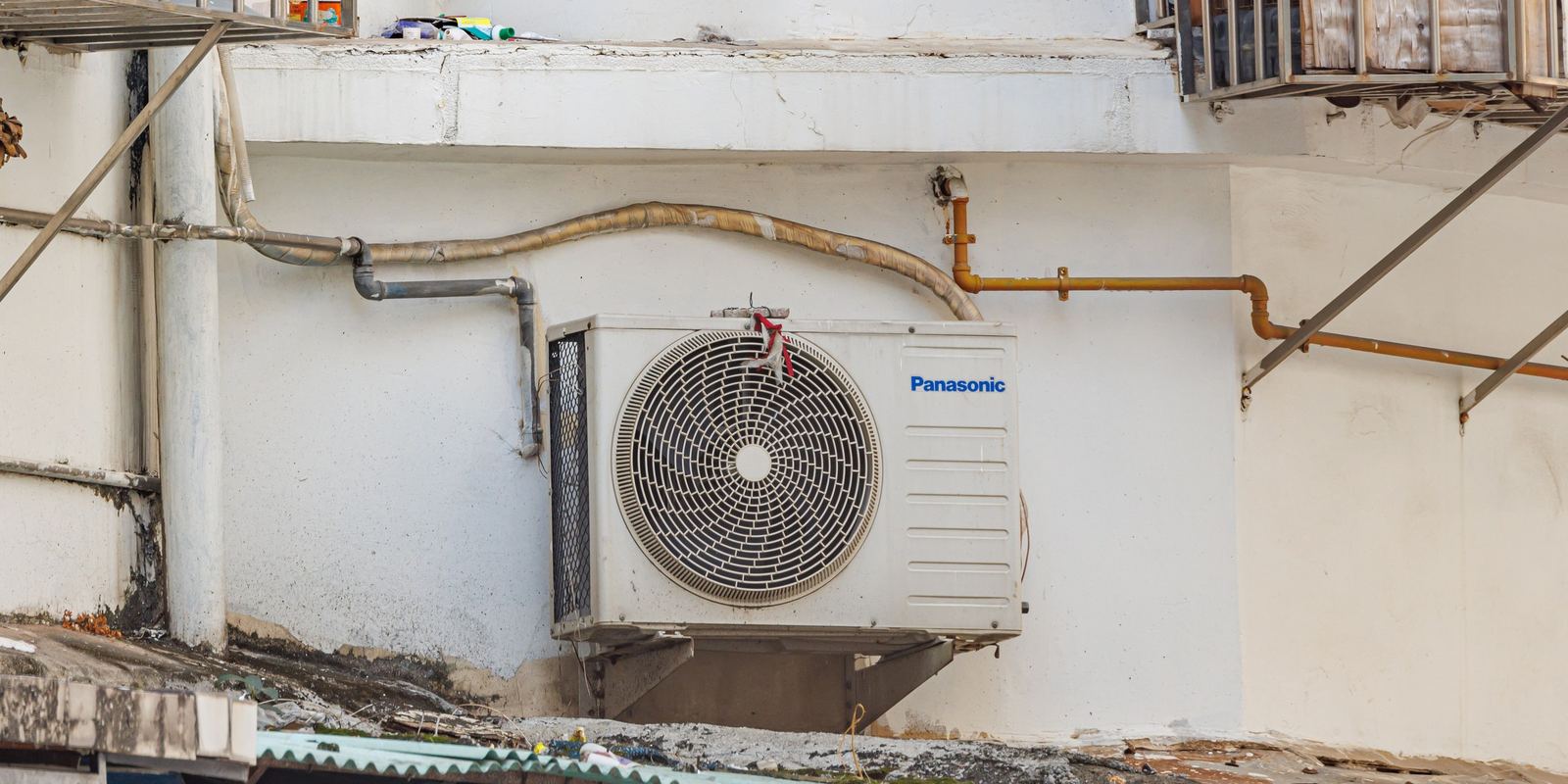
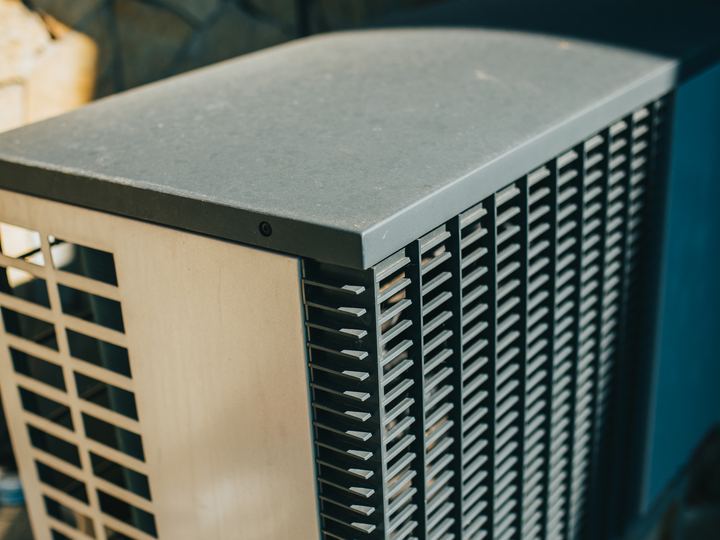
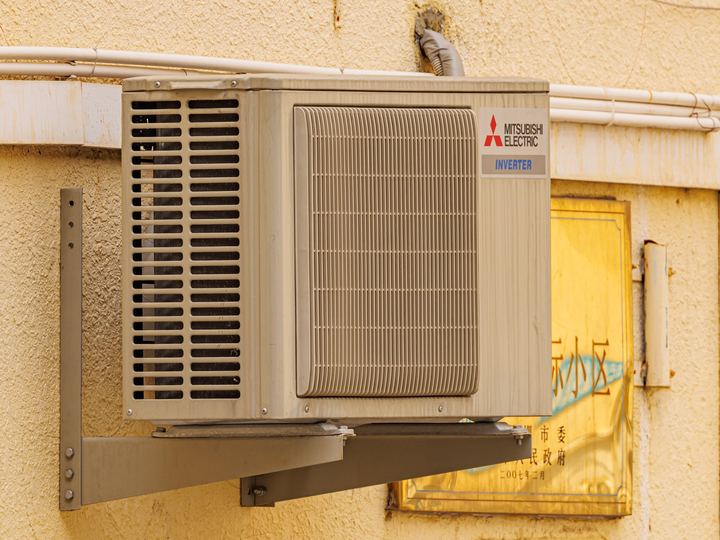
An outdoor condenser unit: Dinkun Chen, CC BY-SA 4.0
Why ratings matter
Heating and cooling are usually the biggest energy users in a home. Efficiency ratings help you compare how much heating or cooling a system delivers for the electricity it uses, which affects monthly bills over a 15-year or longer lifespan.
The 2 in SEER2
From January 1, 2023, the US Department of Energy changed how central air conditioners and heat pumps are tested, using higher external static pressure to better reflect real ductwork. Ratings under the new test are labelled SEER2, EER2 and HSPF2 and are slightly lower numbers than the old SEER, EER and HSPF for the same equipment, so compare like with like.
Regional minimums
US minimum standards differ by region. In the North, new split-system central air conditioners must meet 13.4 SEER2. In the Southeast and Southwest, smaller split systems under 45,000 Btu per hour must meet 14.3 SEER2, and larger ones 13.8 SEER2, with extra EER2 requirements in the Southwest. Split-system heat pumps must meet 14.3 SEER2 and 7.5 HSPF2 nationwide.
ENERGY STAR and refrigerants
ENERGY STAR certified equipment exceeds the minimums. Separately, the EPA is phasing down high global-warming refrigerants such as R-410A in new systems; many new air conditioners and heat pumps now use lower-GWP refrigerants such as R-454B or R-32. Existing systems can keep running and be serviced.
Choosing well
Higher ratings cost more upfront but save energy, especially in hot or cold climates with long seasons. A proper load calculation, often called Manual J, and good duct design matter as much as the rating: an oversized or poorly installed system will not reach its rated efficiency. Check for utility rebates and get written quotes from licensed contractors.
- An outdoor condenser unit: Dinkun Chen, CC BY-SA 4.0
Text written by Clear Air Cleaning.
← UV Lights in HVAC SystemsAC Not Cooling? Safe Checks Before You Call →