AC Not Cooling? Safe Checks Before You Call
Simple fixes and when to stop. Safe checks when your air conditioner is not cooling: thermostat, filter, breaker, outdoor unit and ice. Plus warning signs that need a pro.
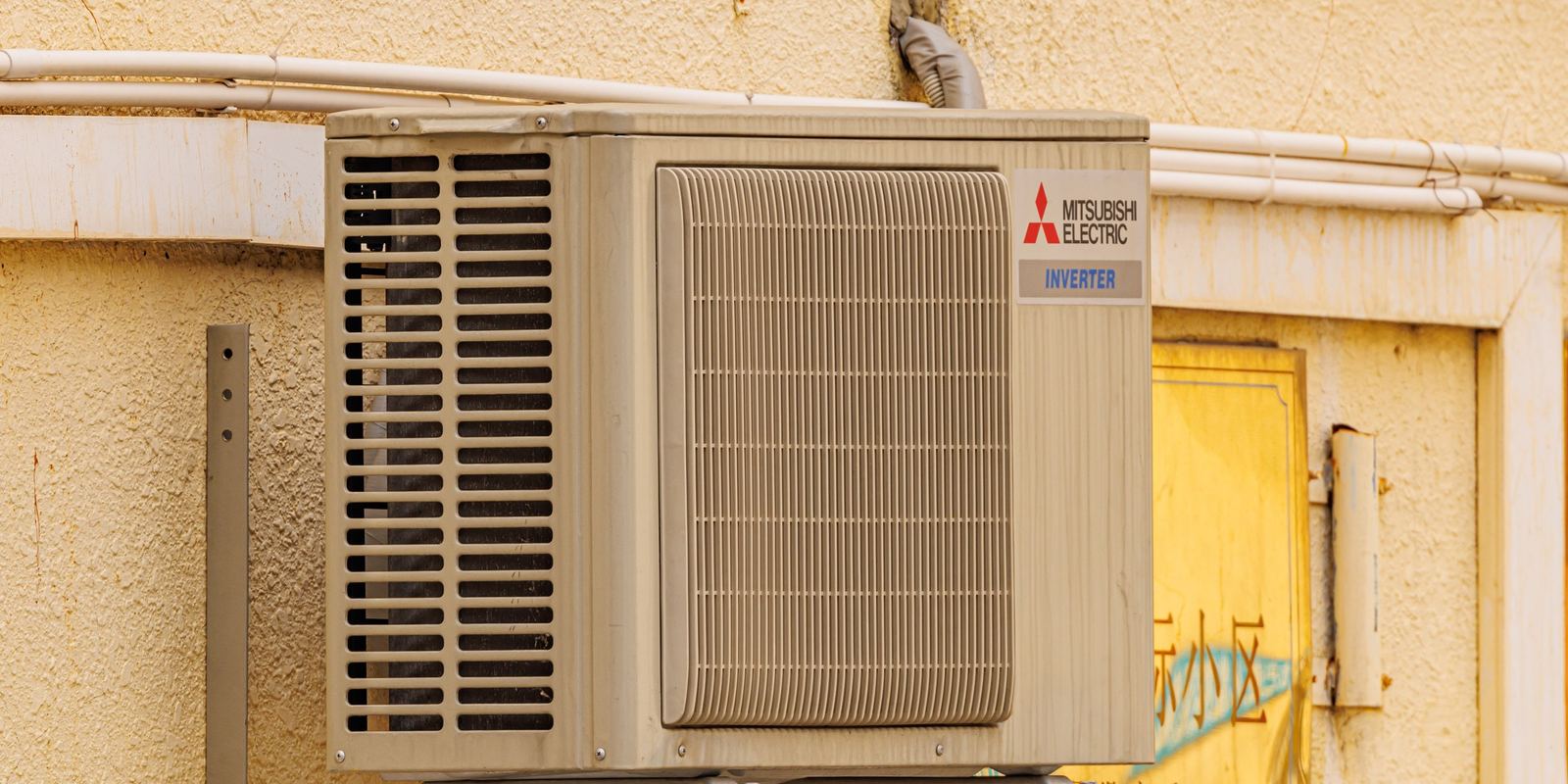
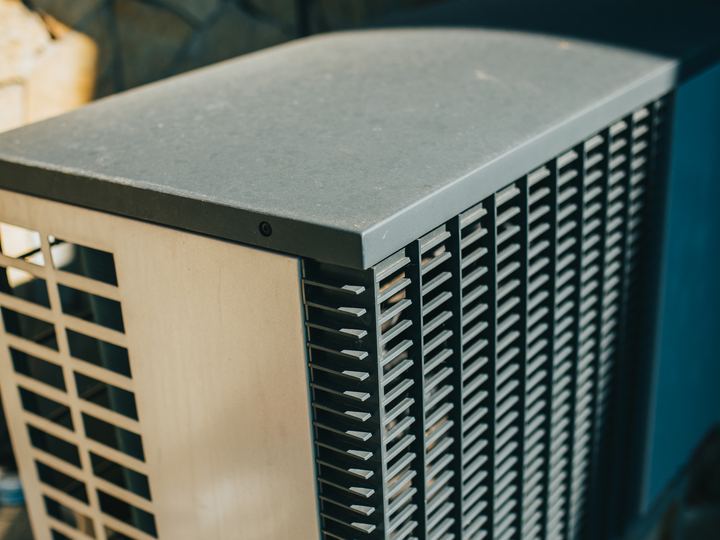
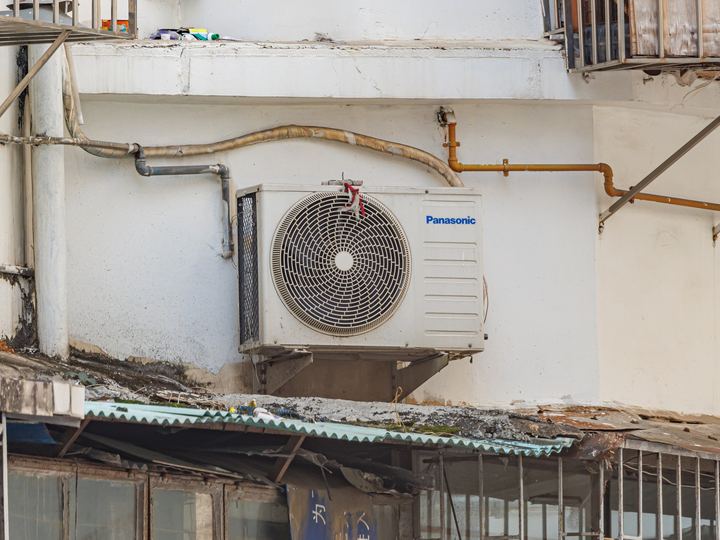
An outdoor air conditioning unit: Dinkun Chen, CC BY-SA 4.0
Start with the thermostat
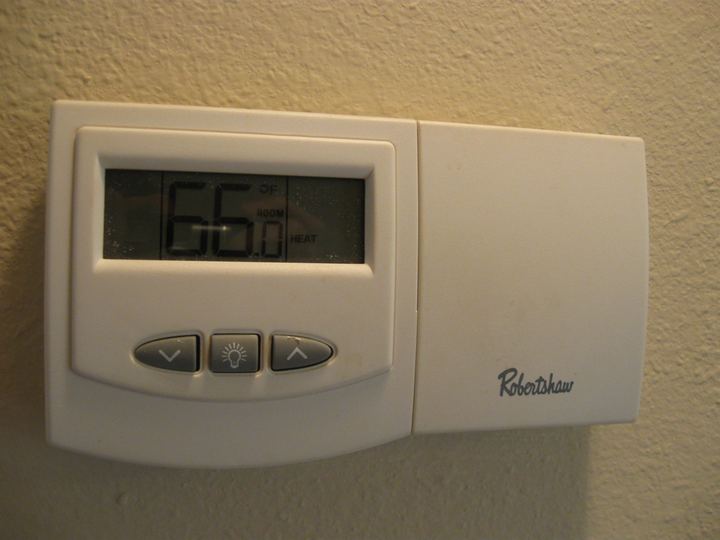
Make sure the thermostat is set to cool, the setpoint is below the room temperature and the fan is on auto. Replace batteries if the display is blank or dim, and check the schedule settings on smart thermostats. It sounds obvious, but many service calls end here.
Check the filter
A clogged filter restricts airflow, which can make rooms warm and even cause the indoor coil to freeze. Look at the filter; if it is grey and dusty, replace it with the correct size. See our filter guide for how often to change it.
Power and the outdoor unit
Check the circuit breakers for the indoor unit and outdoor unit, and the disconnect switch near the outdoor unit. Is the outdoor fan spinning when the system calls for cooling? Clear leaves, grass and clutter around the unit so it has room to breathe, at least a couple of feet on all sides.
Look for ice and water
Ice on the refrigerant lines or indoor coil often means low airflow or low refrigerant. Switch the system off or to fan only so it can thaw and call a technician. Water around the indoor unit may mean a blocked condensate drain; many systems have a safety switch that shuts cooling off when the drain backs up.
When to call a pro
Call a licensed HVAC technician if you smell burning, hear grinding or buzzing, see ice that returns, or if the system runs but blows warm air. Refrigerant handling legally requires certification, and electrical parts carry dangerous voltage even when the thermostat is off. Regular maintenance in spring helps prevent summer breakdowns.
- An outdoor air conditioning unit: Dinkun Chen, CC BY-SA 4.0
Text written by Clear Air Cleaning.
← SEER2, HSPF2 and Efficiency RatingsHow a Home HVAC System Works →