Cooling Before Air Conditioning
Windcatchers, ice machines and window units. Long before electric AC, people cooled buildings with windcatchers, water and ice. From ancient towers to John Gorrie's ice machine and window units.
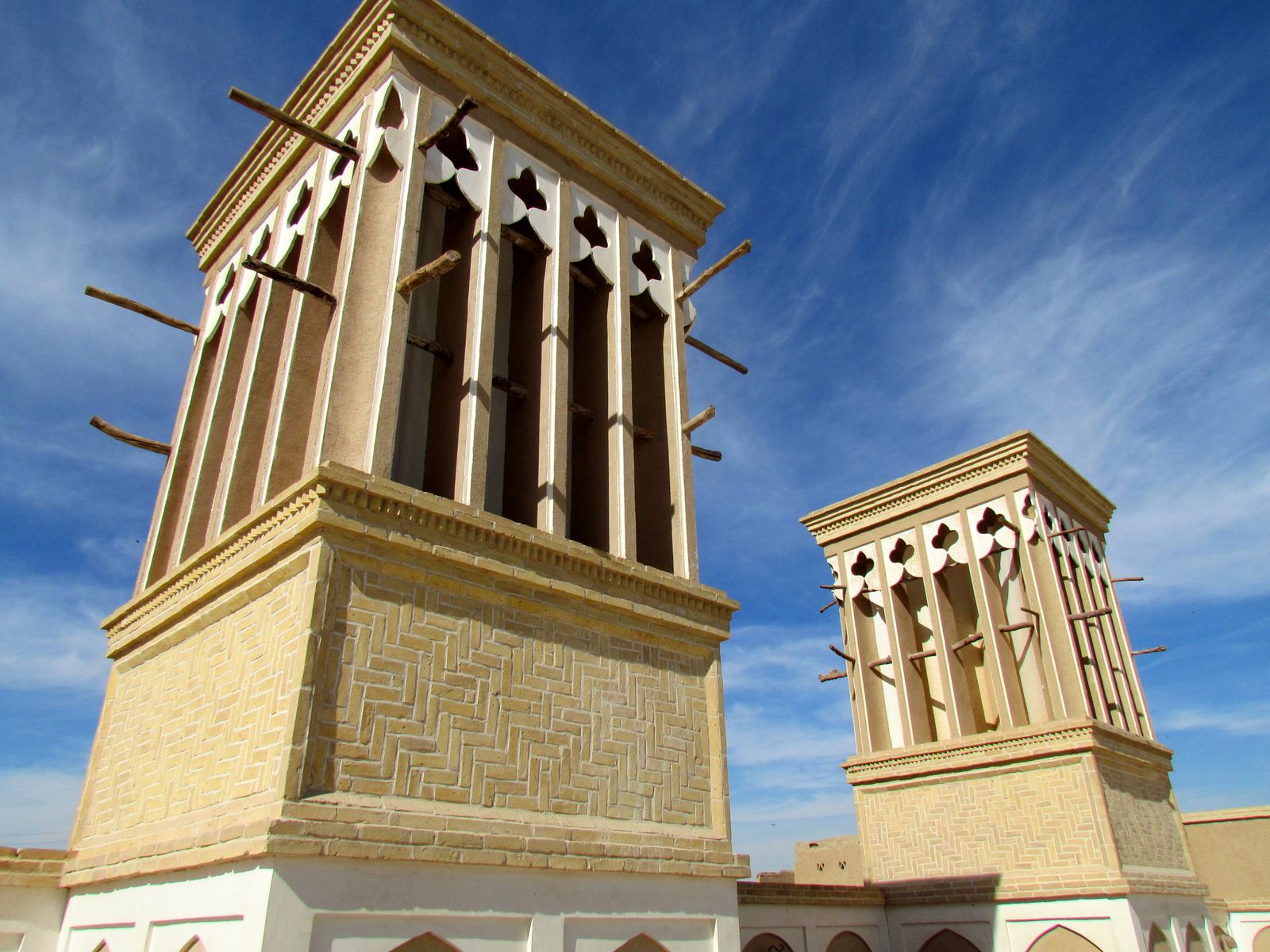
Windcatchers in Yazd: Alireza Javaheri, CC BY 3.0
Towers that catch the wind
In hot, dry regions, builders learned to cool rooms without any machines. Windcatchers, tall towers with openings at the top, catch breezes and channel them down into buildings, while warm air rises and escapes. Some designs pass air over water, cooling it as the water evaporates.
The desert city of Yazd is famous for its many windcatchers. Ancient builders across the region also used thick walls, courtyards and shaded openings to keep rooms comfortable.
Ice and a doctor's idea
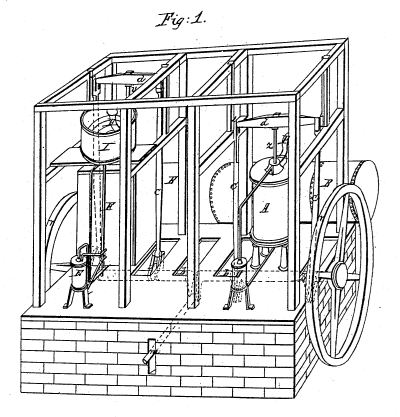
In the 1840s John Gorrie, a physician in Apalachicola, Florida, wanted to cool the rooms of patients suffering from fever. He built a machine that compressed and expanded air to make ice and blew air over it to cool rooms.
He received a US patent for his ice machine in 1851, but he could not raise money to build it widely. Today a statue of Gorrie stands in the US Capitol.
Naming the idea
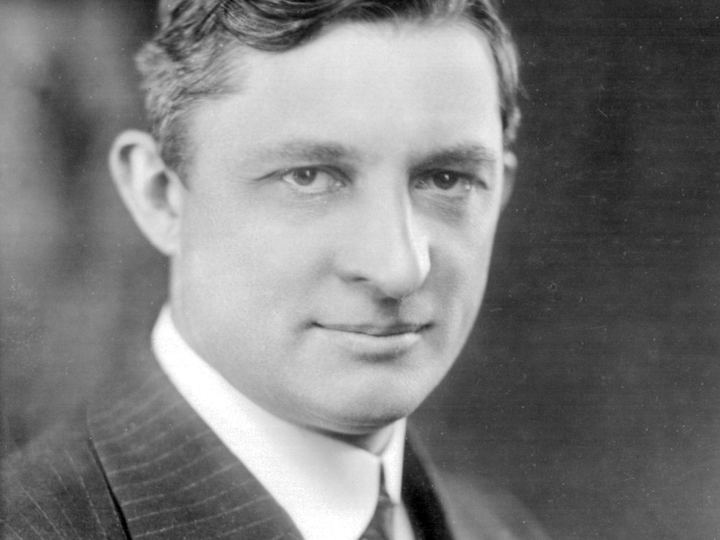
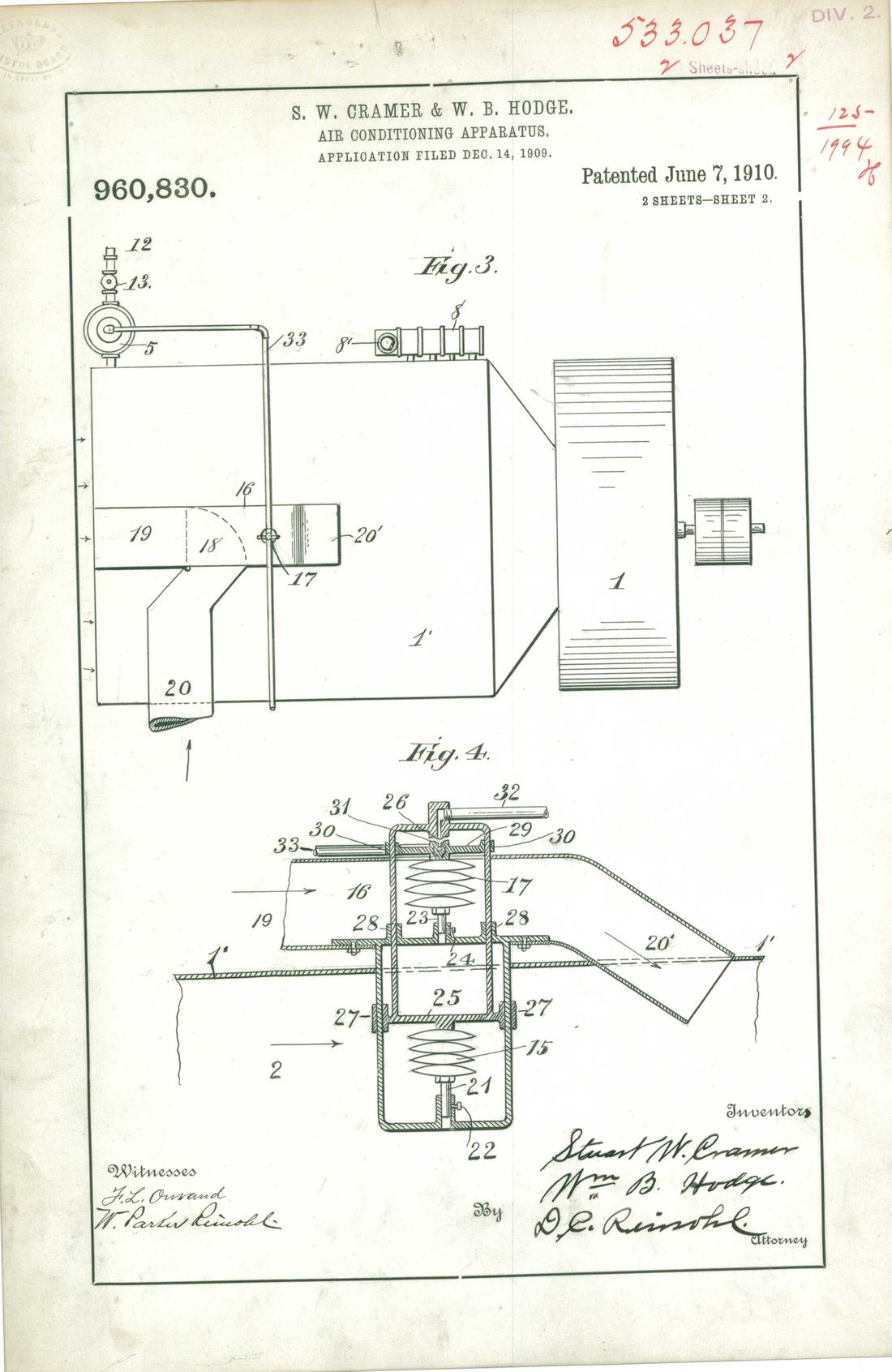
In the early 1900s textile mills in the American South needed humid, steady air so cotton fibers would not break. Stuart Cramer, a North Carolina mill engineer, worked on humidifying and ventilating equipment and popularized the term air conditioning in 1906.
At almost the same time, Willis Carrier was designing his humidity control system for a Brooklyn printer.
Cool air comes home
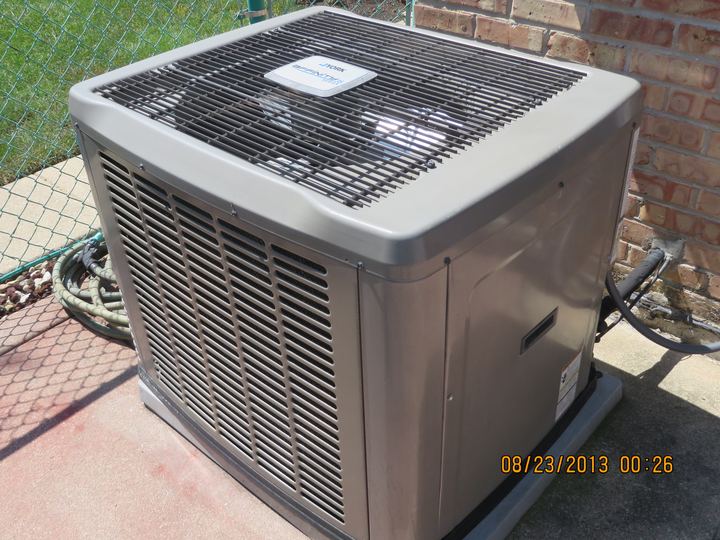
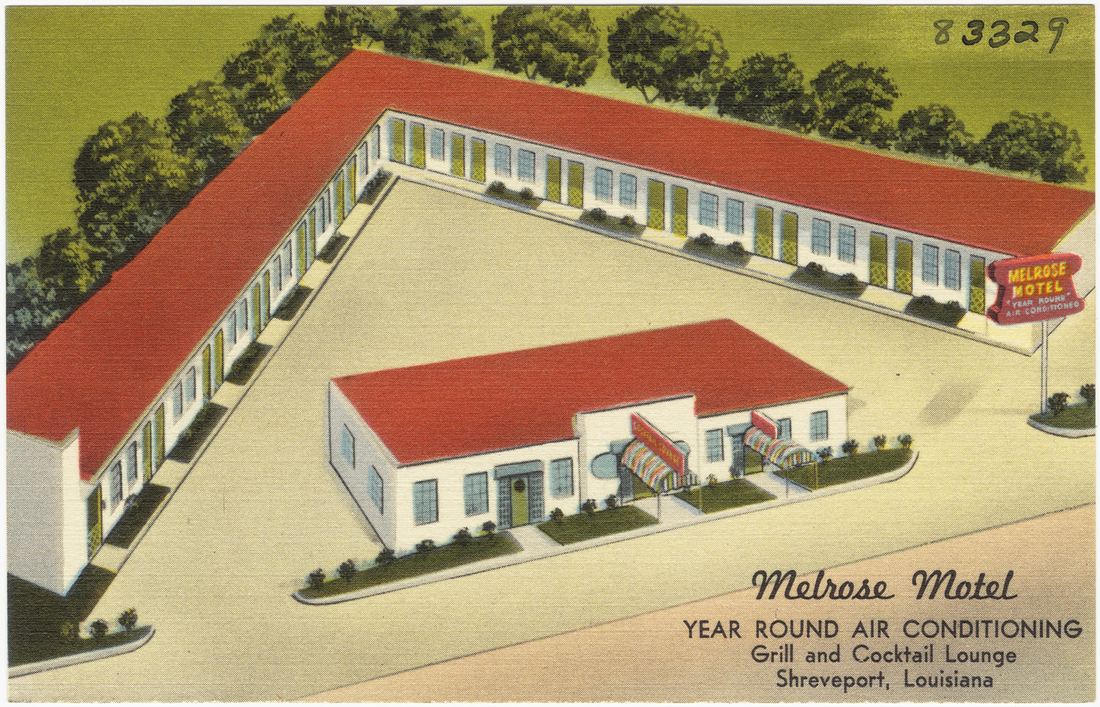
For decades air conditioning meant factories, theaters, department stores and offices. Room units that fit in a window became widely available to households from the late 1940s and grew common in the 1950s, and hotels and motels began advertising air conditioned rooms.
Central air followed in new suburban houses, and today most US homes have some form of air conditioning. The basic physics would still be familiar to Gorrie.
Ice harvesting
Before mechanical ice making, ice was cut from frozen lakes and rivers in winter, packed in sawdust and stored in insulated ice houses. In the nineteenth century, natural ice was shipped from New England to warm ports far away.
Mechanical refrigeration gradually replaced harvested ice for food storage and drinks. The same engineering made cooling buildings possible, and the home refrigerator and the home air conditioner both trace back to that era of experimenting with compressors and refrigerants.
Facts on this page were checked against these sources.
- Windcatchers in Yazd: Alireza Javaheri, CC BY 3.0
- Gorrie's ice machine patent: see file page, Public domain
- An early air conditioning patent: Unknown author or not provided, Public domain
- Advertising cool rooms: Nationwide Specialty Co., Arlington, Texas, Public domain
Text written by Clear Air Cleaning.