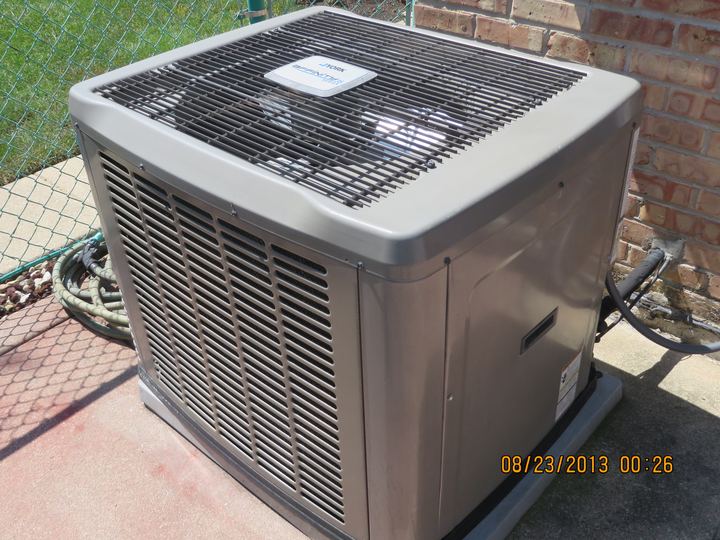
Willis Carrier
The engineer behind modern air conditioning. In 1902 a young engineer named Willis Carrier designed a system to control humidity at a Brooklyn printing plant. It became modern air conditioning.
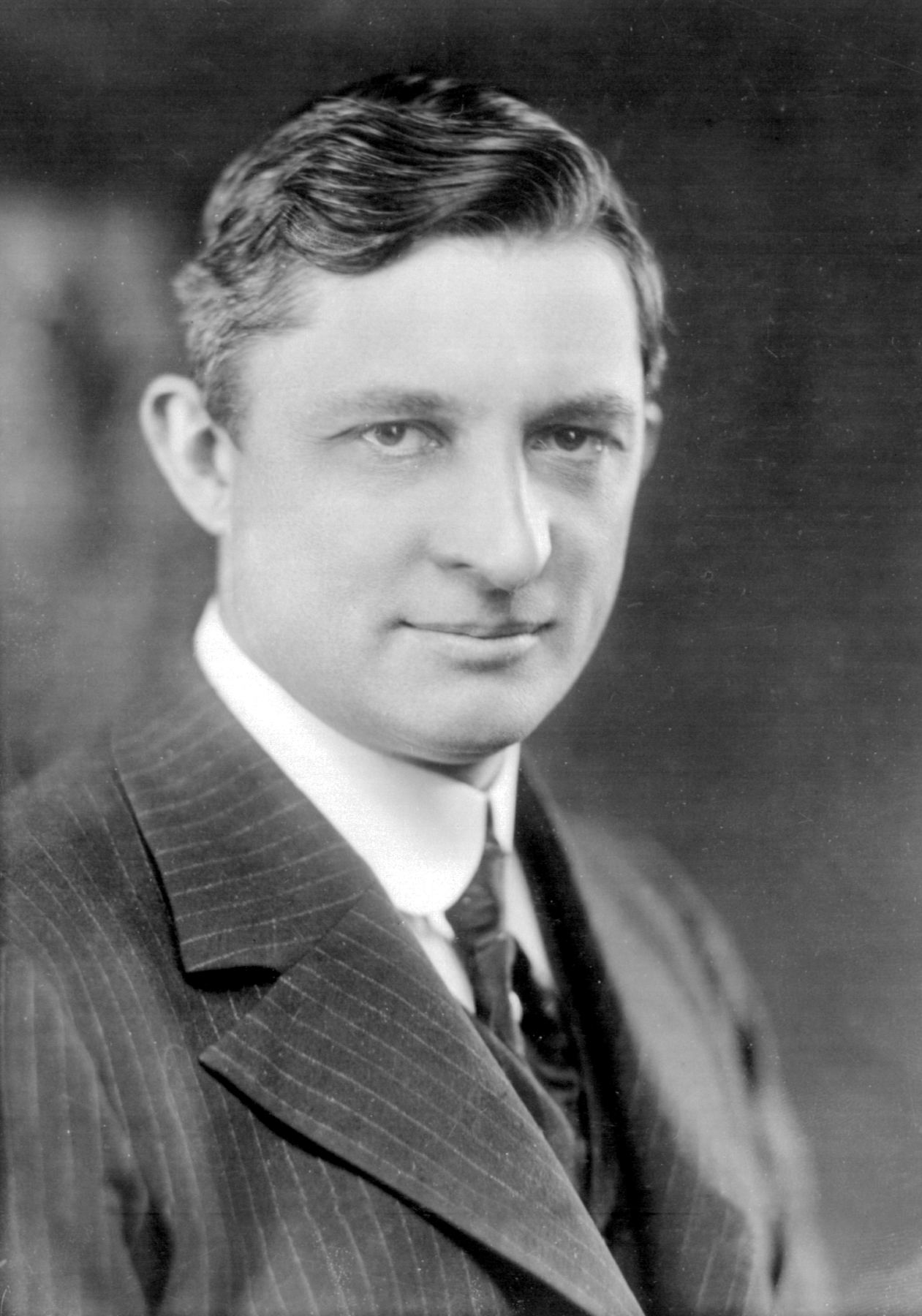
Willis Carrier in 1915: 100th Anniversary Press Kit - Carrier Corp, Public domain
A printing problem
In 1902 Willis Carrier was a young engineer at the Buffalo Forge Company in New York. A Brooklyn printing company, Sackett-Wilhelms, had a problem: summer humidity made paper swell and shrink, so colored inks printed in separate passes would not line up.
Carrier designed a system that blew air over chilled coils to control both temperature and humidity in the plant. It is widely described as the first modern electrical air conditioning system.
Science of damp air
Carrier did more than build machines. He studied how temperature, humidity and dew point relate to each other, and in 1911 he presented his Rational Psychrometric Formulae to the American Society of Mechanical Engineers. Engineers used the ideas and charts based on them for decades to design air systems.
He received a US patent for his Apparatus for Treating Air in 1906. The term air conditioning itself was popularized that same year by Stuart Cramer, a textile mill engineer.
From factories to theaters
In 1915 Carrier and several colleagues founded the Carrier Engineering Corporation. Early customers were factories that needed steady conditions for products such as textiles, tobacco and food. In the 1920s his centrifugal refrigeration machine made it practical to cool very large spaces.
Movie theaters became famous for cool air in summer. The Rivoli Theatre in New York's Times Square opened with Carrier cooling in 1925, and summer blockbusters became a habit.
Legacy
Carrier died on 7 October 1950. By then room air conditioners were starting to appear in homes, and the following decades brought central air to millions of houses.
Air conditioning changed where people live and work, made tall glass office buildings practical and helps protect vulnerable people during heat waves. It all began with a printer's misaligned ink.
Cooling buildings and cities
Carrier's ideas spread far beyond factories and theaters. Department stores found that shoppers stayed longer in cool air, and offices and trains began to install cooling. In homes, room air conditioners and later central systems grew common over the second half of the twentieth century.
Engineers still study the same relationships between temperature, moisture and comfort that Carrier helped describe. Today's societies, including ASHRAE, publish standards that grew out of that early work on psychrometrics.
Facts on this page were checked against these sources.
- Willis Carrier in 1915: 100th Anniversary Press Kit - Carrier Corp, Public domain
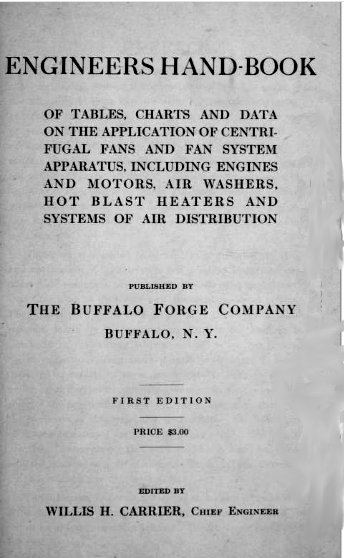
- The handbook he edited: Willis Carrier, Public domain
Text written by Clear Air Cleaning.